






2-Year Program
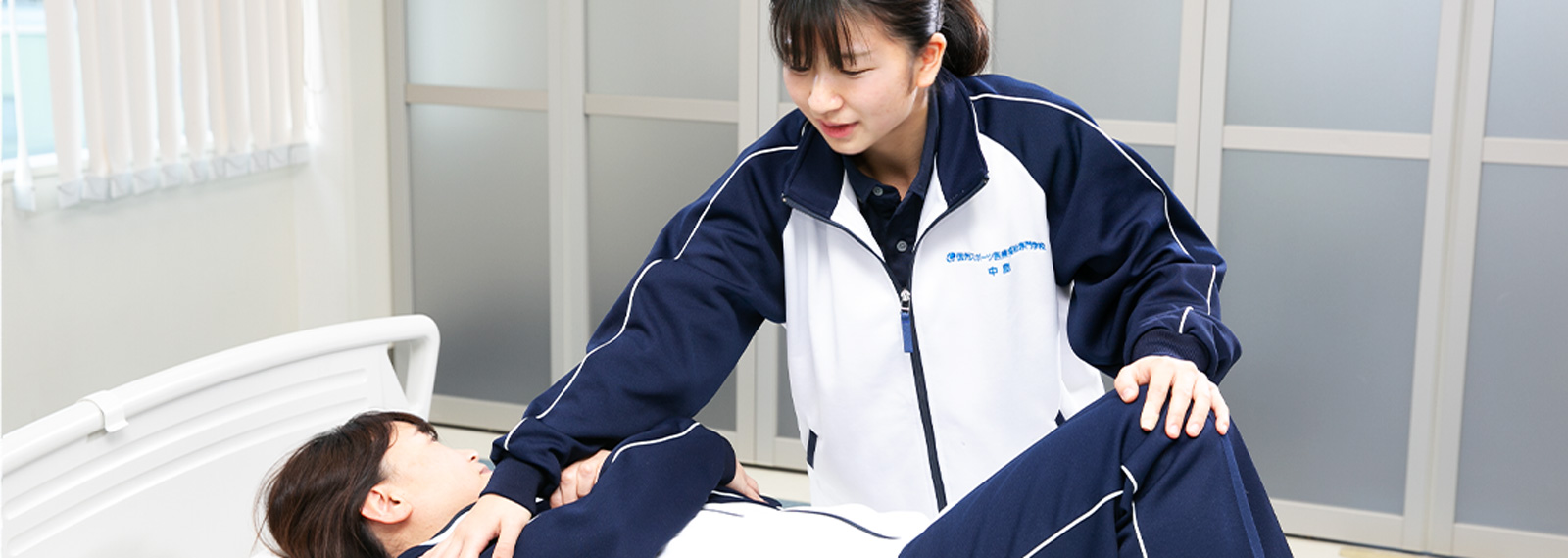
Care Worker Program
Daytime, 9:15 AM – 2:40 PM
Capacity: 40 students
National Qualification: Certified Care Worker
A career built on being thanked
Supporting people who need help with daily life is a job where you're thanked, and where you share real moments of joy with the people you care for.
At the heart of every certified Care Worker is a commitment to human dignity and independence. Growing through your relationships with the people you support is a reward nothing else can replace.
Fields of Care Work

Long-term care health facilities
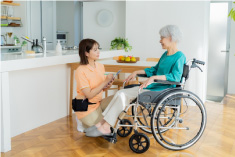
Home-visit care services

Nursing homes & group homes
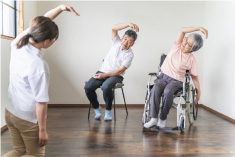
Facilities for people with disabilities
Care work means
a job you can feel
human warmth in
— and one that never goes away.
You'll do more than provide physical support. You'll help protect a person's dignity and daily life, and that makes this deeply rewarding work.
Working conditions for Care Workers in Japan keep improving too, with better tuition support and rising pay reflecting steady demand.
See career outcomes
People who thrive in this field
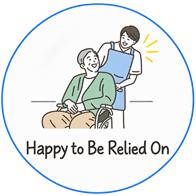

Why Study Care Work at Shinshu College
01A strong national exam pass rate and employment rate
5-year average
Care Worker (national exam)
Pass rate 95%
[National average: 76%]
POINT
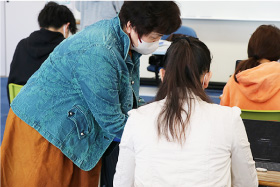
Outside of class hours, our faculty give one-on-one support for anything you didn't fully grasp in lectures or practical training.
Through supplementary sessions and individualized guidance, we help every student build the knowledge they need to pass the national exam.
In FY2024, our Care Worker pass rate reached 100% — well above the national average.
POINT
Students here look out for each other, and it's common to see classmates studying together outside of class.
With two full years to prepare, graduates find workplaces that fit them well — which is why our retention rate after graduation is high, and most graduates stay and work within Nagano Prefecture.
See career outcomes

02A wide range of practicum sites builds real-world skill
Hands-on practicum hours
480 hours
Choice of practicum sites
220+ partner
facilities
POINT
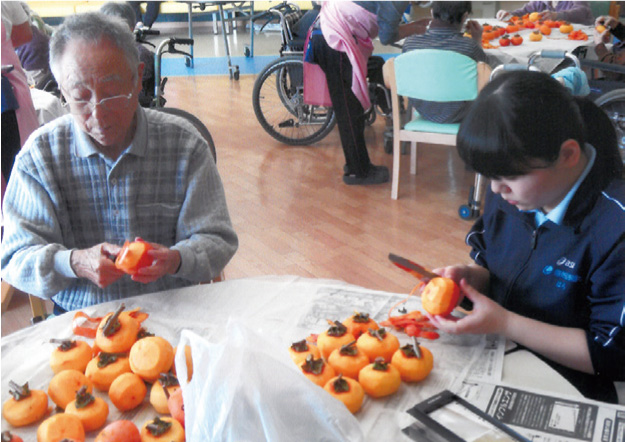
You'll complete 480 hours of on-site practicum to build skills no textbook can teach on its own.
Classroom learning alone can't prepare you for the field. During practicum, you'll put your technical training and your understanding of human relationships and communication — both essential to good care work — into practice, and learn by doing.
POINT
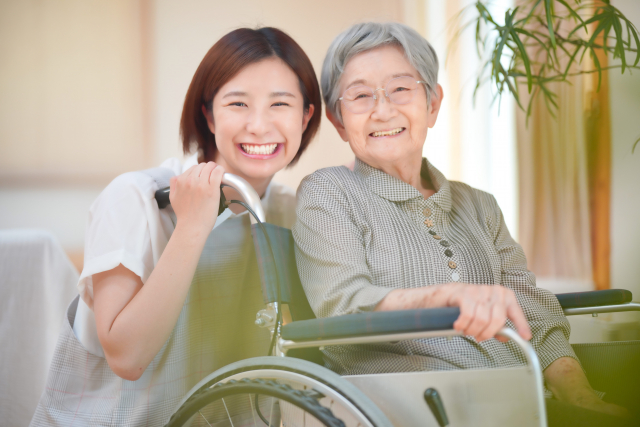
Shinshu College partners with more than 220 facilities that share our commitment to training Japan's next generation of care professionals. Some students go on to work at the very facility where they trained. Our faculty personally negotiate placements with facilities, taking each student's preferences — close to home, close to campus — into account.
Past practicum sites
- Wakatsuki Home (Nagano)
- Toyono Seifuen (Nagano)
- Hakujinkai Ouso (Nagano)
- Meditopia Komoro (Nagano)
- Roman Ueda (Nagano)
- Graceful Shiojiri (Nagano)
- Cosmos Agatamachi (Nagano)
03Tuition support for students who want to learn
Up to¥1.64M
Care Worker Scholarship Loan Program
POINT
Shinshu College encourages eligible students to apply for a loan-forgiveness tuition support program, established so that financial circumstances never have to stand between a student and this career.
In principle, the full loan is forgiven once a graduate has worked in care in Nagano Prefecture for five years.
Learn more (Japanese)
Broaden what your license can do
Additional Certifications
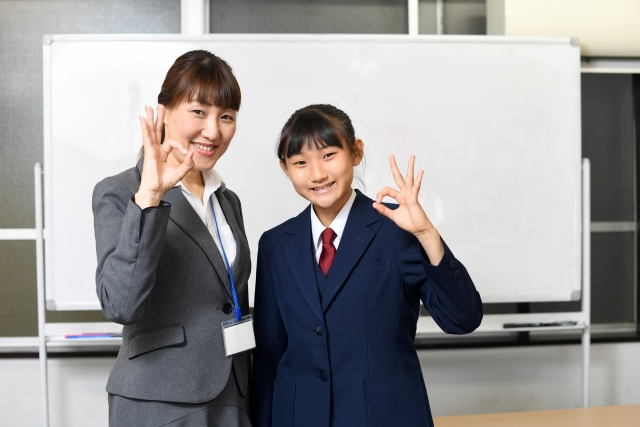
① Care Worker + Care Prevention Exercise Instructor
LEVEL
UP!
Guide and support older adults so they can maintain physical function and stay active and well.
→ Also qualifies you as a Care Prevention Exercise Instructor.
- Home care
- Day service centers
- Half-day rehabilitation centers

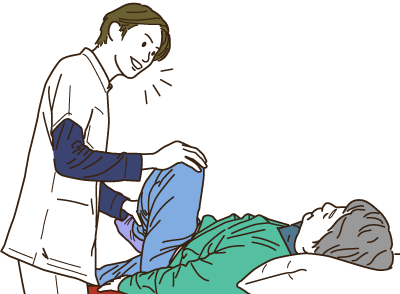
② Care Worker + Back-Pain Prevention & Kinesthetics
LEVEL
UP!
Learn stretches that prevent the back pain common in care work, and master techniques that avoid lifting or carrying the people you support — so you can put back-pain prevention into practice yourself.
→ Gives you gentler, more comfortable care techniques, and protects your own back at the same time.
- Day service centers
- Home-visit care
- Nursing homes & group homes
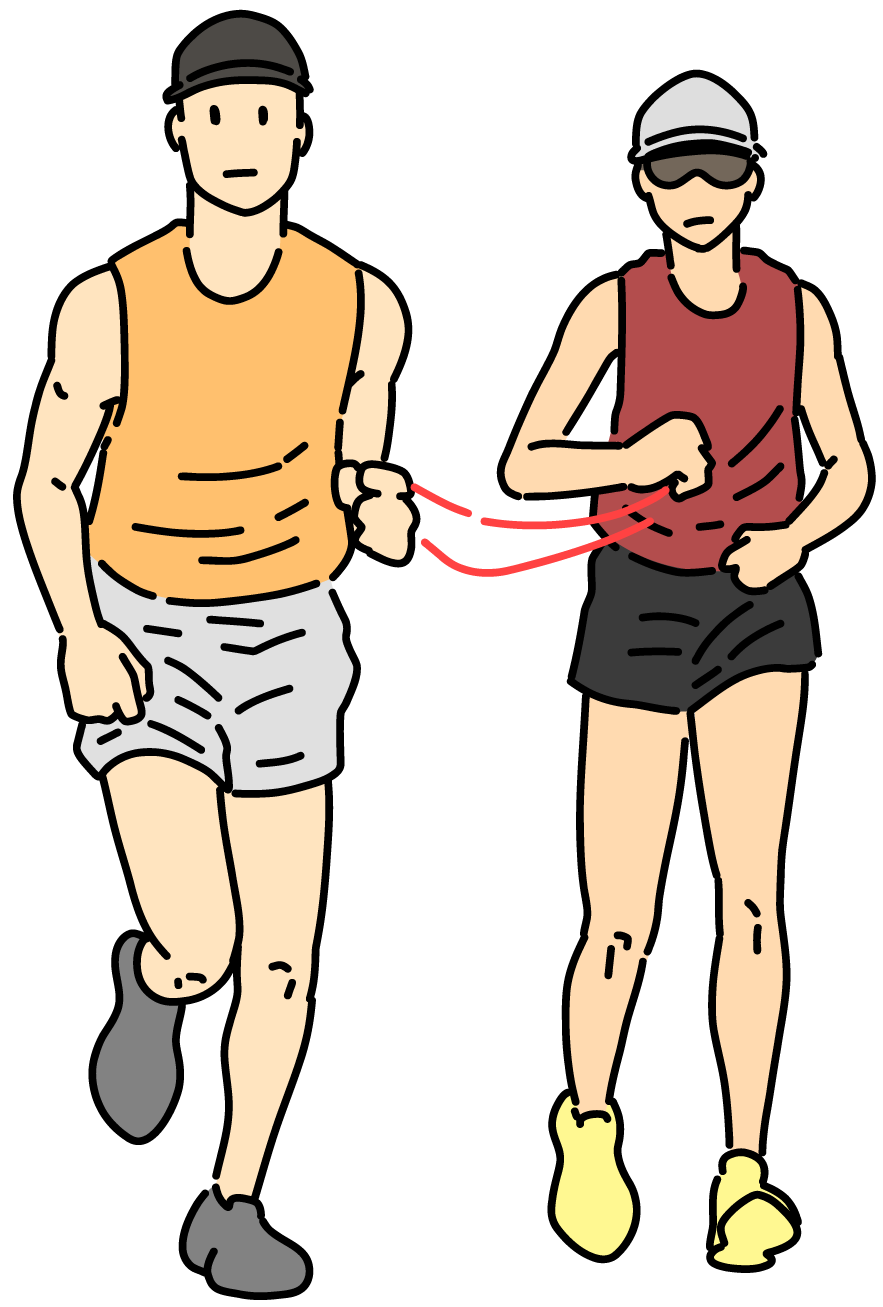
③ Care Worker + Entry-Level Para Sports Instructor
LEVEL
UP!
Coach people with disabilities with an eye on health and safety, and help them experience the joy of sport.
→ Opens the door to advanced para-sports coaching qualifications.
- Day service centers
- Home-visit care
- Nursing homes & group homes
Only Shinshu College offers this
Sports Course
Build a solid foundation in care knowledge and technique, then choose the Sports Course — mainly in your first year — as an elective track.
Deepen your understanding of exercise and recreation, and become a Care Worker who can support people's health as well as their daily lives.
What is the Sports Course?
Taping & first-aid technique
A range of stretching methods
Training & conditioning
○ Support athletes directly
○ Work in health & exercise instruction
A well-rounded curriculum
Our program builds core knowledge and technique across four domains — Human Relations & Society, Care, Body & Mind, and Medical Care — plus elective tracks such as Care Prevention Exercise Instruction, Back-Pain Prevention & Kinesthetics, and Entry-Level Para Sports Instruction. You'll graduate ready to deliver person-centered care that respects who each individual is, as a practice-ready professional from day one.
|
Human Relations & Society |
|
|
Care |
|
|
Body & Mind |
|
|
Medical Care |
|
|
Elective Tracks |
|
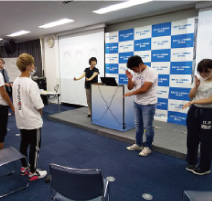
Communication Technique
Learn the communication skills needed across a wide range of care settings, and build the interpersonal skill set of a care professional.
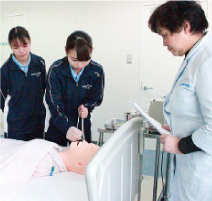
Medical Care Procedures
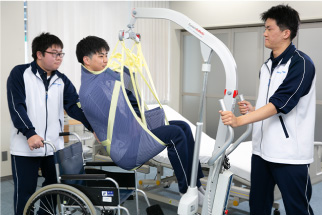
Practice essential medical procedures for Care Workers, such as sputum suction, using clinical simulators.
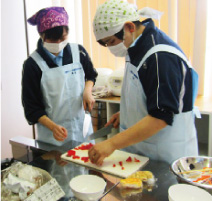
Daily Living Support (Food)
Beyond core knowledge, plan and actually cook meals suited to older adults and menus designed to prevent lifestyle diseases.
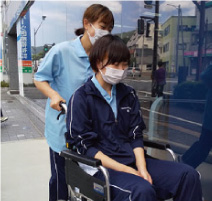
Fundamentals of Care
Understand the core ideas of care — preserving dignity and supporting independence — and learn the community care systems that let people who need care keep living in their own communities.
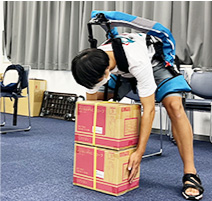
Care Robotics
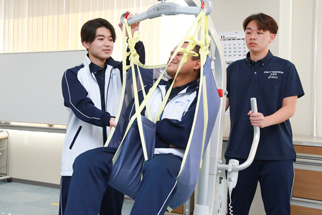
Try on the latest care equipment, including care-assist suits, and learn support methods that keep both caregiver and care recipient safe.
Sample Weekly Schedule
Core Care Worker classes plus original coursework, designed to train Care Workers who are strong in care prevention.
|
Mon |
Tue |
Wed |
Thu |
Fri |
|
|---|---|---|---|---|---|
|
Period 1[9:15–10:45] |
Care Prevention & |
Activity |
Body & Mind III |
Integrated Care Seminar II |
Medical Care Procedures II |
|
Period 2[10:55–12:25] |
Understanding Dementia II |
Understanding Disability II |
Care Prevention & |
Entry-Level Para Sports Instructor Course |
Daily Living Support Technique |
|
Period 3[13:10–14:40] |
Fundamentals of Care II |
Long-Term Care Insurance & |
Body & Mind III |
Recreation |
Care Process III |
※ The curriculum may change from year to year.
Hands-on practicum hours
480 hours
Choice of practicum sites
200+ partner
facilities
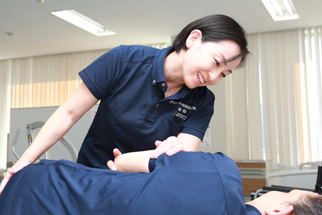
Real-world skill through practicum
In the Care Worker Program, you'll train at a facility that matches your own interests.
Our faculty listen to what you're looking for and negotiate the placement directly, so you can start with confidence. Across 480 hours of practicum, you'll sharpen the practical skill that employers notice.
Because past students have consistently earned high marks for their conduct during practicum, we've built relationships with more than 200 partner facilities to date.
Meet a Faculty Member
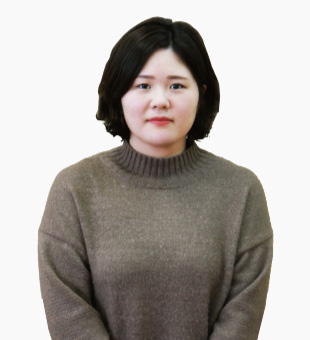
Care Worker ProgramTokiko Nakai
Broad knowledge and skill for an aging society
Our curriculum trains Care Workers who can support the daily lives of older adults and people with disabilities — and help prevent the need for greater care in the first place. We also place strong emphasis on practicum, so students can put what they learn in every subject into real practice.
Frequently Asked Questions
What qualification will I earn?
You will earn Japan's national Care Worker (Kaigo Fukushi) license after completing the 2-year program.
What is the national exam pass rate?
Our five-year average pass rate for the national Care Worker exam is 95%, well above the national average of 76%.
Will I be able to find a job after graduating?
Our most recent graduating class had a 100% employment rate, with strong ties to care facilities across Nagano Prefecture.
Is financial support available?
Students can apply for the Nagano Care Worker Scholarship Loan Program, worth up to ¥1.64 million, which is forgiven after five years of care work in Nagano Prefecture.
Can I combine this qualification with sports-related training?
Yes. In your first year you can choose the Sports Course, learning taping, first aid, stretching, and conditioning alongside your care worker studies.
Ready to Learn More?
Contact us or request a brochure — we're happy to answer questions from students and families outside Japan.
Request a Brochure
Contact Us
Already living in Japan and able to read Japanese?
Japanese-language guide for international students
